


A standard homeowners insurance policy includes several types of coverage, each designed to address different aspects of property and liability protection. This educational guide explains the various coverage types commonly found in homeowners policies and how each functions within the policy structure.
What It Covers: The Physical Structure of the Home
Dwelling coverage is the primary component of a homeowners policy. It pays to repair or rebuild the home's structure if damaged by a covered peril such as fire, windstorm, hail, lightning, or vandalism. This includes walls, roof, floors, built-in appliances, attached garage, and permanent fixtures like plumbing and electrical systems.
Coverage Limit Calculation:
Dwelling coverage limits are typically based on the estimated replacement cost of the home—the amount it would take to completely rebuild at current construction costs. This differs from market value or purchase price. Factors used in replacement cost calculations include:
Extended Replacement Cost: Some policies offer an endorsement that provides additional coverage (typically 25-50% above the policy limit) if rebuilding costs exceed the stated limit.
What It Protects: Detached Structures on Your Property
This coverage protects structures on your property that are not attached to your main dwelling. Standard policies typically provide coverage equal to 10% of your dwelling coverage amount, though you can often increase this limit.
Structures Covered Include:
Important Note: Structures used for business purposes or rented to others may require additional coverage or a separate policy.
What It Protects: Your Belongings Inside and Outside Your Home
Personal property coverage pays to repair or replace your belongings if they're stolen or damaged by a covered peril. This includes furniture, electronics, clothing, appliances, and most other items you own. Coverage typically extends to your belongings anywhere in the world, not just inside your home.
Standard Limits: Usually 50-70% of your dwelling coverage
Replacement Cost vs. Actual Cash Value:
Common Sub-Limits (Special Limits of Liability):

Home Inventory: A home inventory is a documented list of personal belongings, often including photos, receipts, and serial numbers. This documentation may be referenced during the claims process.
What It Protects: Additional Living Expenses When You Can't Live at Home
If your home becomes uninhabitable due to a covered loss, loss of use coverage pays for the additional costs of living elsewhere while repairs are made. This is also called "Additional Living Expenses" (ALE) coverage.
Standard Limits: Usually 20-30% of dwelling coverage
Covered Expenses Include:
Key Consideration: Coverage pays for the difference between your normal expenses and what you spend while displaced. If your temporary rent is $2,500/month but your mortgage payment was $1,800, you'd receive $700/month for housing.
Fair Rental Value: If you rent part of your home, loss of use coverage can also compensate for lost rental income during repairs.
What It Protects: Your Assets if You're Sued for Injuries or Property Damage
Personal liability coverage protects you financially if you're found legally responsible for injuring someone or damaging their property. This coverage extends beyond your home to incidents anywhere in the world and covers all household members, including pets.
Standard Limits: Typically range from $100,000 to $300,000
What's Covered:
Example Scenarios:
Important: Liability coverage does NOT cover intentional acts, business activities, or motor vehicle accidents (covered by auto insurance).
What It Protects: Minor Medical Expenses for Injured Guests
Medical payments coverage pays for minor medical expenses when someone is injured on the property, regardless of fault determination. It is designed to handle small claims without requiring litigation.
Standard Limits: $1,000 - $5,000 per person
Key Features:
How It Works: If a friend trips on your porch and needs stitches, medical payments coverage can pay their $3,000 emergency room bill directly, preventing a potential lawsuit and preserving the friendship.
Coverage NOT Included in Standard Policies
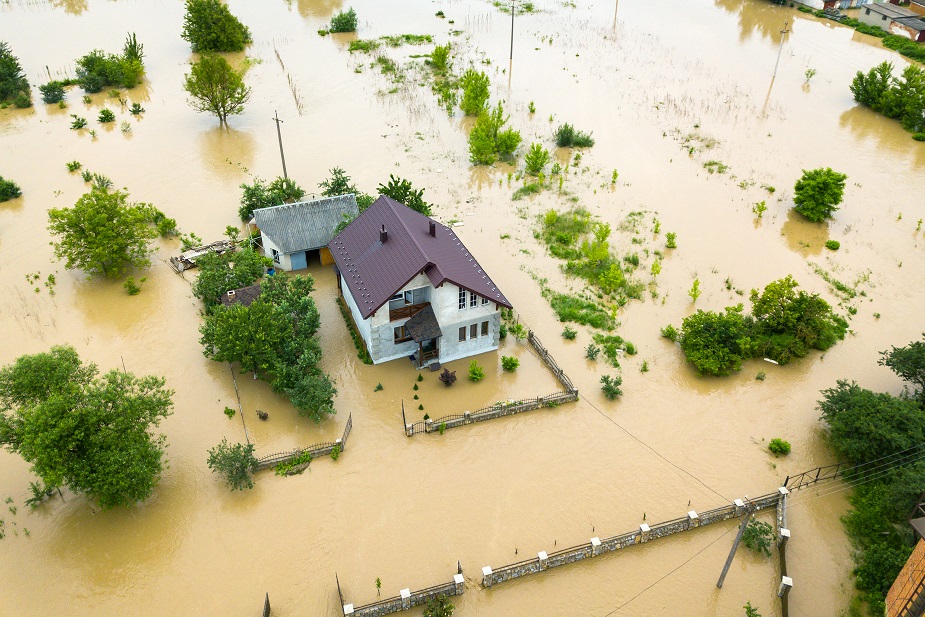
Flood damage is specifically excluded from standard homeowners insurance policies. Flood insurance is available as a separate policy through the National Flood Insurance Program (NFIP) or private insurers.
Where to Get Flood Insurance:
What Flood Insurance Covers:
Building Coverage:
Contents Coverage:
Waiting Period: NFIP policies typically have a 30-day waiting period before coverage takes effect.
Coverage NOT Included in Standard Policies
Like flood damage, earthquake damage is excluded from standard homeowners policies. Earthquake insurance is available as a separate policy or endorsement. State-run programs exist in some regions, such as the California Earthquake Authority (CEA).
Coverage Options:
What's Typically Covered:
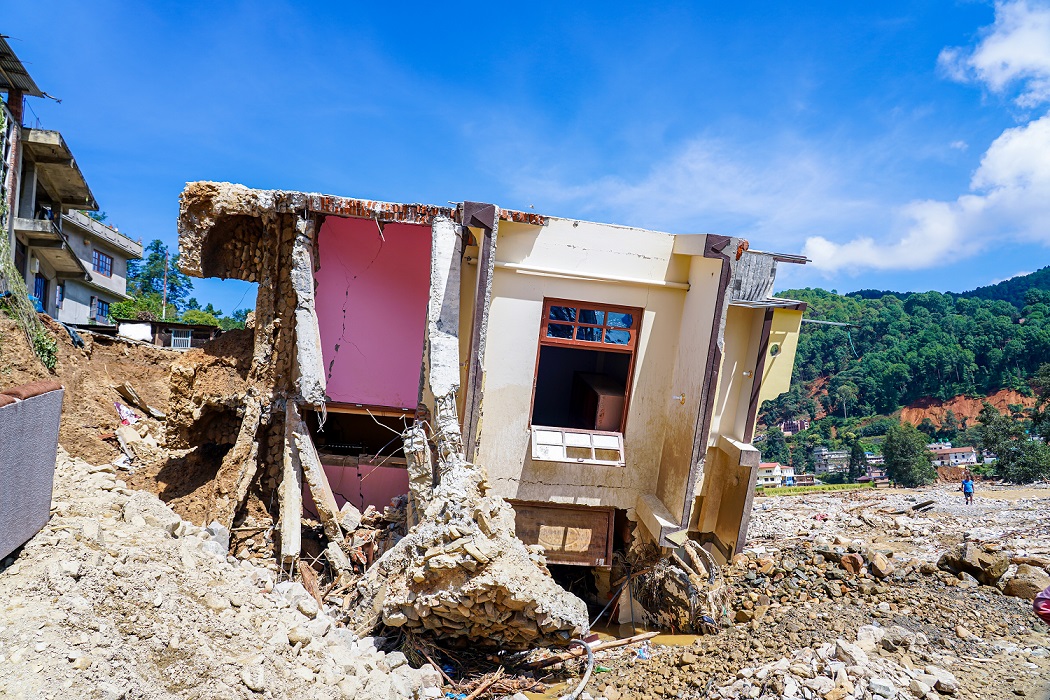
Key Consideration: Earthquake insurance typically has high deductibles (10-20% of dwelling coverage) and doesn't cover land damage, landscaping, or vehicles.
Definition: Supplemental Liability Coverage
An umbrella policy is a type of liability insurance that provides additional coverage beyond the limits of underlying homeowners or auto insurance policies. Coverage activates when the liability limits of the underlying policy are exhausted.
How Umbrella Policies Function:
Coverage Amounts: Typically available in increments from $1 million to $10 million or more.
Additional Coverages: Umbrella policies may also cover claims not included in underlying policies, such as libel, slander, false arrest, and invasion of privacy.
Endorsements (also called riders or floaters) are add-ons that expand or modify your standard homeowners policy. They allow you to customize coverage for your specific needs and valuable items.
Common Endorsements:
Scheduled Personal Property: Provides higher coverage limits for valuable items like jewelry, art, antiques, and collectibles. Items are individually listed with appraised values.
Water Backup Coverage: Covers damage from sewer or drain backups and sump pump failures not included in standard policies.
Identity Theft Protection: Covers expenses related to restoring your identity after theft, including legal fees and lost wages.
Home Business Coverage: Extends coverage for business equipment and liability for home-based businesses.
Service Line Coverage: Covers repair or replacement of underground utility lines (water, sewer, electrical) on your property.
Equipment Breakdown: Covers repair or replacement of home systems (HVAC, water heater) due to mechanical or electrical breakdown.
The following terms are commonly referenced when discussing home insurance coverage types:


Policies247 is an independent, educational platform that tracks and explains auto insurance, home insurance, auto warranties, and home warranties. By completing the steps, you will receive SMS updates and informational messages that highlight cost-related trends, coverage differences, policy structures, and common pricing factors across the insurance market. Messages are intended to increase awareness around how coverage and costs are commonly structured, helping readers better understand insurance topics without selling insurance, providing quotes, or recommending providers.